
A capacity label is easy to compare and easy to misuse. Professional selection connects the rated load to the vehicle, lifting point, weight distribution, product instructions and intended service procedure.
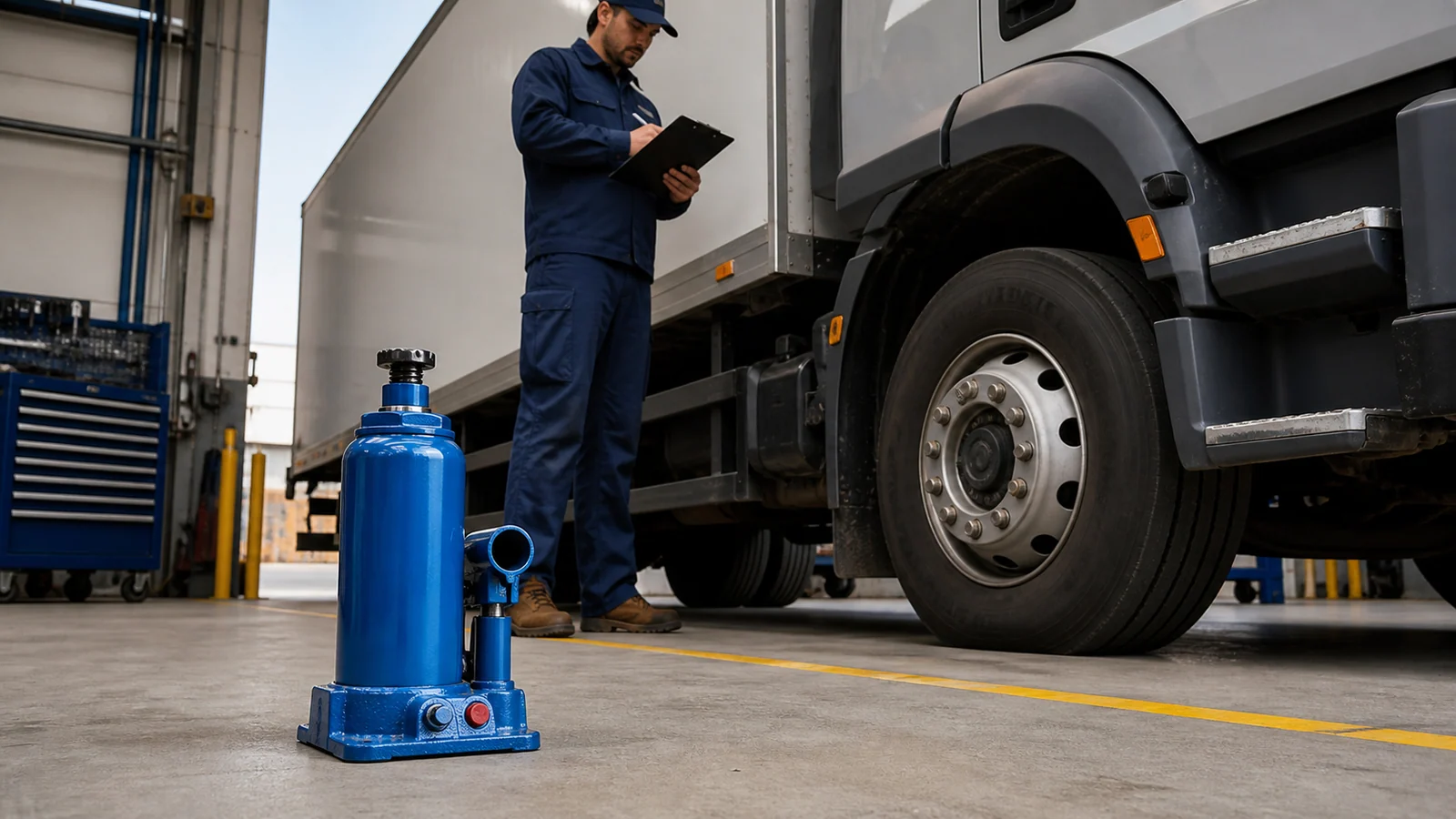
Define the vehicle class
Separate passenger cars, SUVs, light commercial vehicles and heavy-duty applications before reviewing a model. A broad vehicle label is not a technical specification.
Confirm the lifting task
Determine whether the Jack raises one corner, an axle area or another approved lifting point. Follow vehicle and equipment instructions when establishing the requirement.
Review capacity with height and stability
A higher rating does not solve an unsuitable starting height, insufficient travel or poor operating surface. Evaluate the complete working geometry.
Keep the approved rating consistent
Quotation, sample, product label, manual and carton claims should identify the same model and rated capacity. Resolve any conflict before order approval.
Move from guidance to documented models.
Open the relevant product dossier for capacity, height, MOQ, packaging and model-level RFQ context.
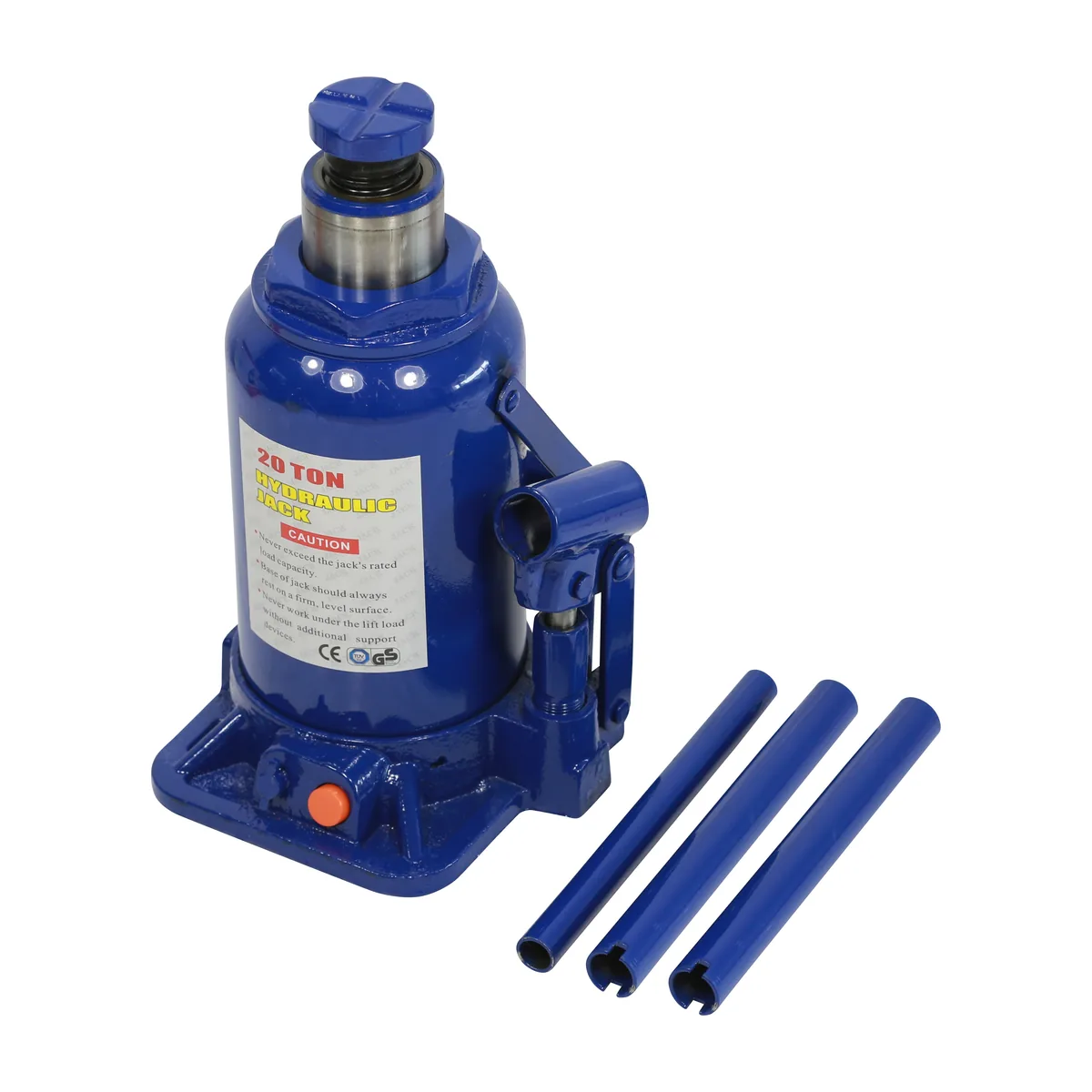
T552 European-Configuration Bottle Jack Series
158–244 mm min · 308–449 mm max · 500 sets / SKU MOQ
Open product dossier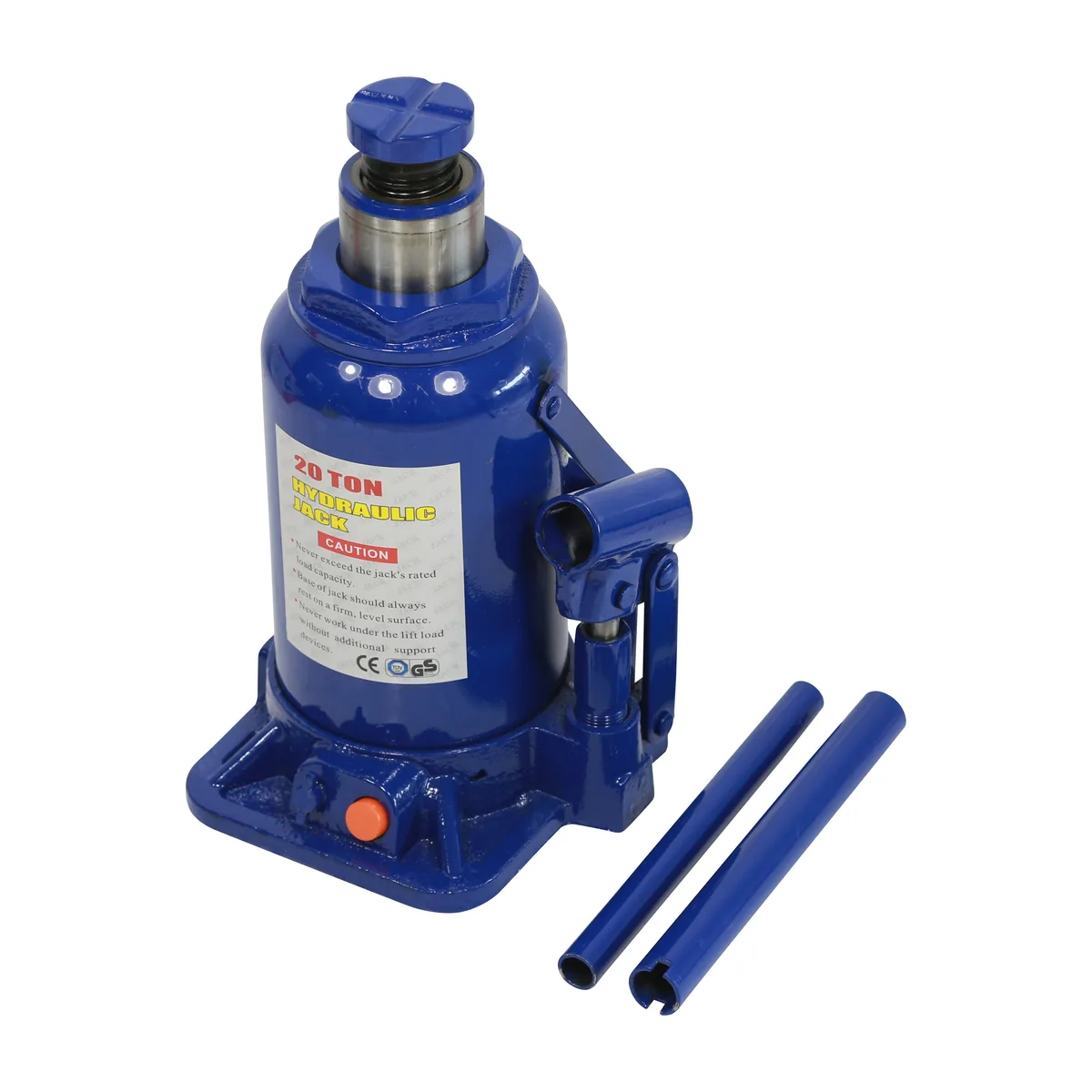
T553 Safety-Valve Bottle Jack Series
148–235 mm min · 278–445 mm max · 500 sets / SKU MOQ
Open product dossier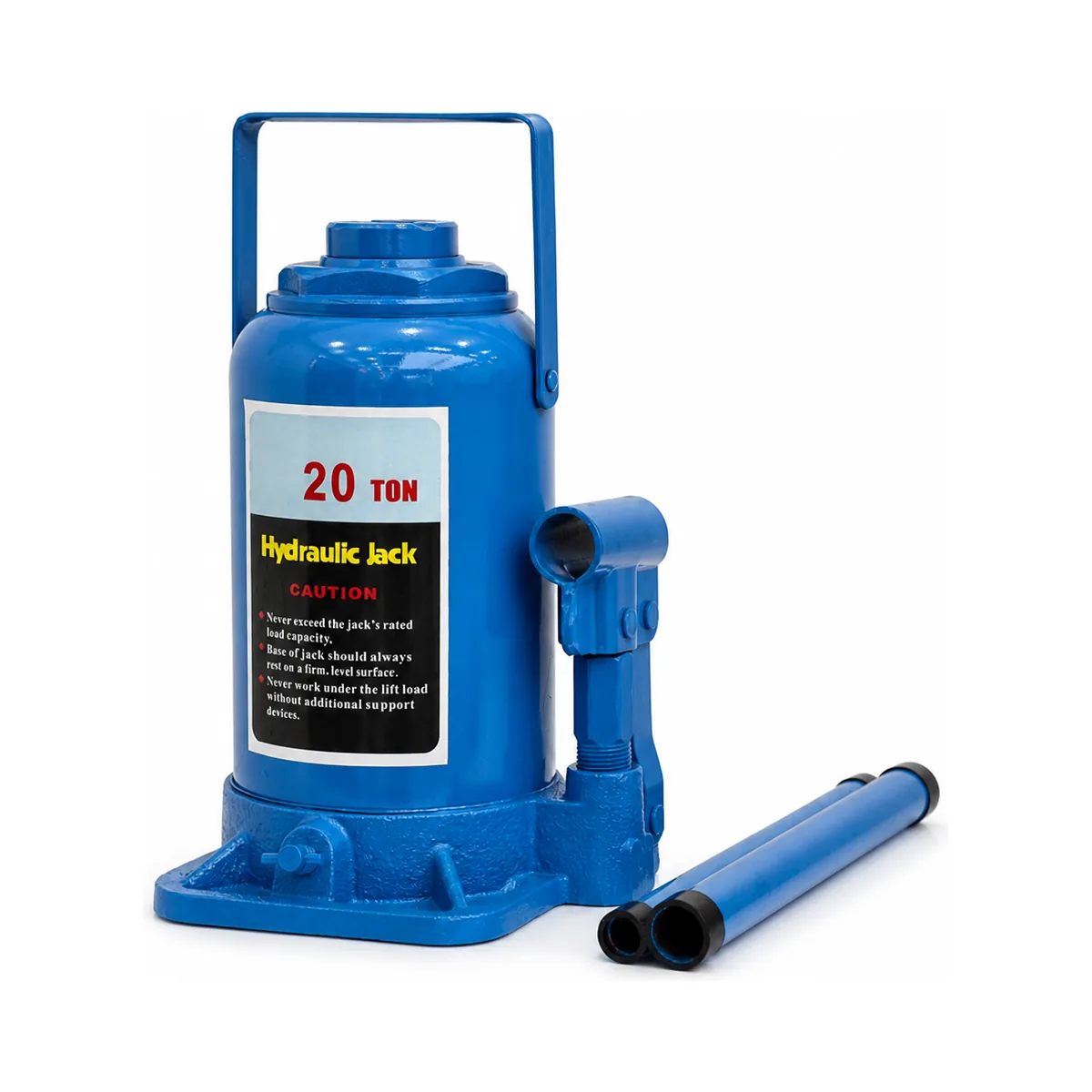
T554 Standard Bottle Jack Series
148–255 mm min · 278–445 mm max · 500 sets / SKU MOQ
Open product dossierQuestions to resolve before approval.
Final suitability, commercial terms and document scope follow the exact model, target market and ordered configuration.
Does a higher capacity automatically make a Jack safer?
No. Suitability also depends on the approved lifting point, working height, stability, surface, operating instructions and support procedure.
Can a capacity range be published for an entire series?
Only when every commercial SKU and its supporting specification are clearly mapped. Model-level values should remain visible.