
Two Jacks can advertise the same capacity and still fit very different vehicles. Height architecture is often the deciding factor, especially for low-clearance passenger cars, SUVs and commercial vehicles.
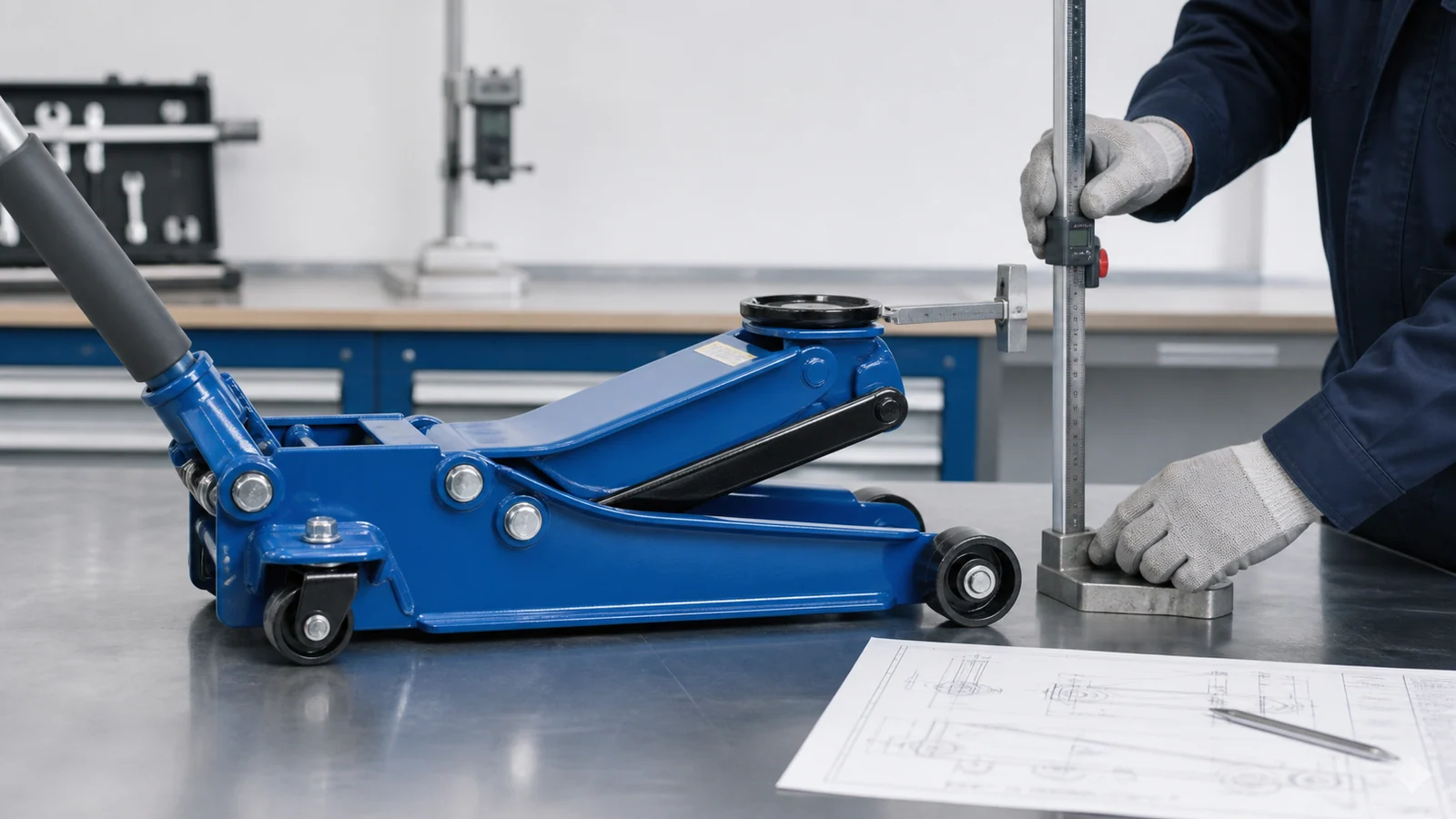
Start with minimum height
Minimum height determines whether the saddle can reach the intended lifting point. Check the final production drawing and vehicle clearance rather than relying on a capacity label.
Separate travel from maximum height
Hydraulic lift or screw travel is not always the same as maximum height. Compare the complete height stack and note whether an extension screw or alternate saddle is included.
Confirm the real application
Vehicle class, lifting point, surface, stability and support procedure must be considered together. A Jack raises a load; approved support equipment remains necessary before work begins.
Freeze the ordered configuration
Put the agreed minimum height, travel, adjustment and maximum height into the quotation, sample record, label and manual so the commercial description remains consistent.
Move from guidance to documented models.
Open the relevant product dossier for capacity, height, MOQ, packaging and model-level RFQ context.
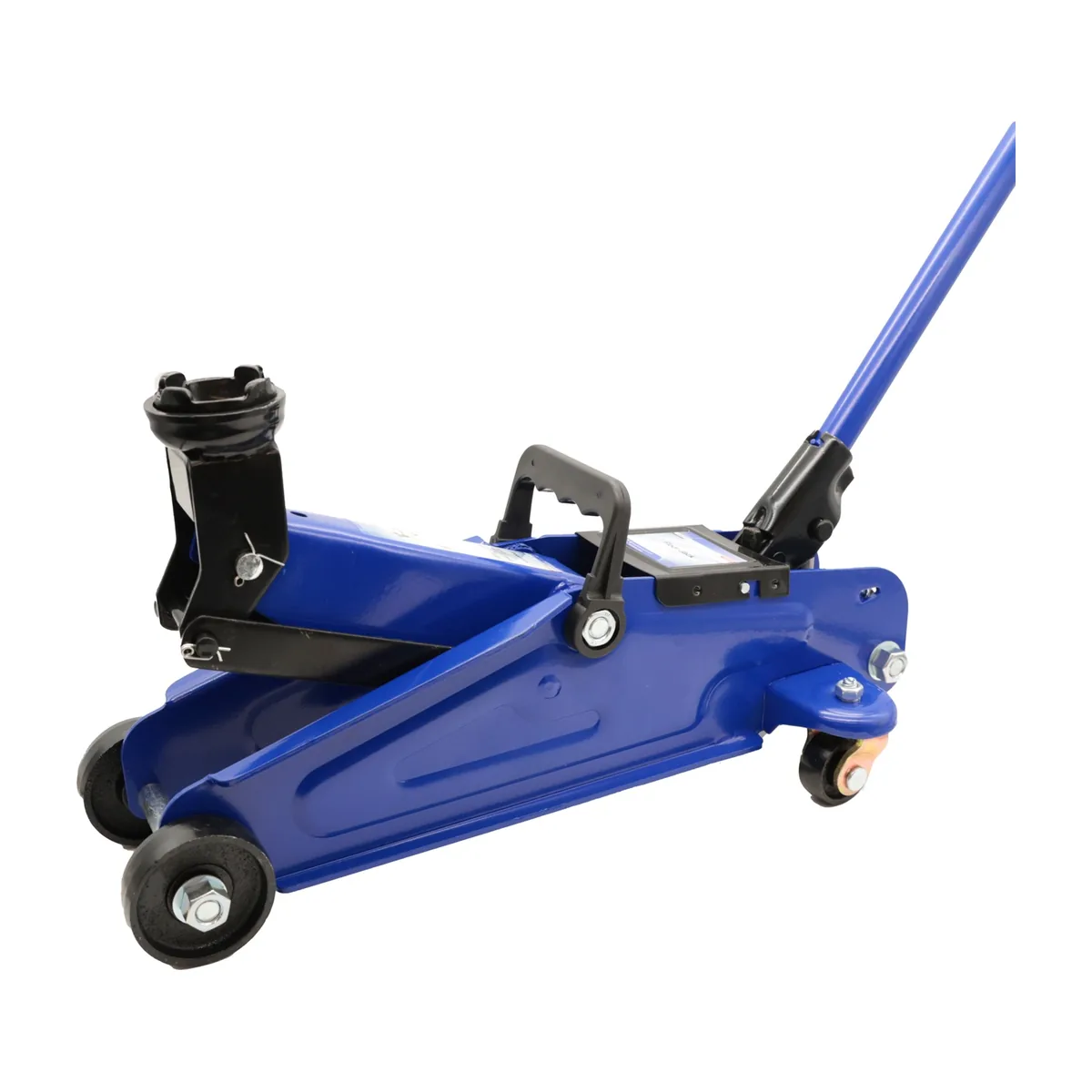
2T Heavy-Duty Floor Jack
135 mm min · 335 mm max · 1,000 sets MOQ
Open product dossier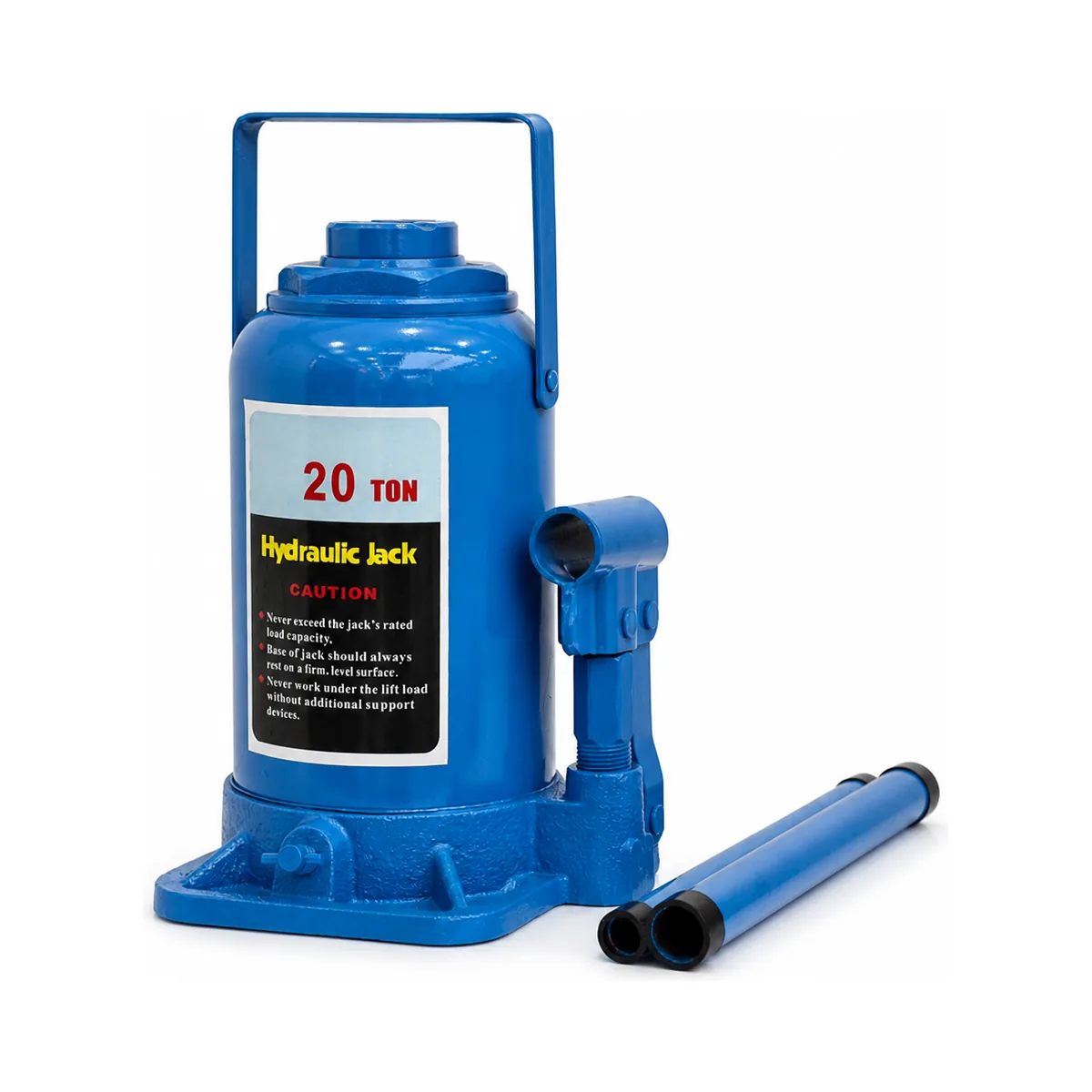
T554 Standard Bottle Jack Series
148–255 mm min · 278–445 mm max · 500 sets / SKU MOQ
Open product dossier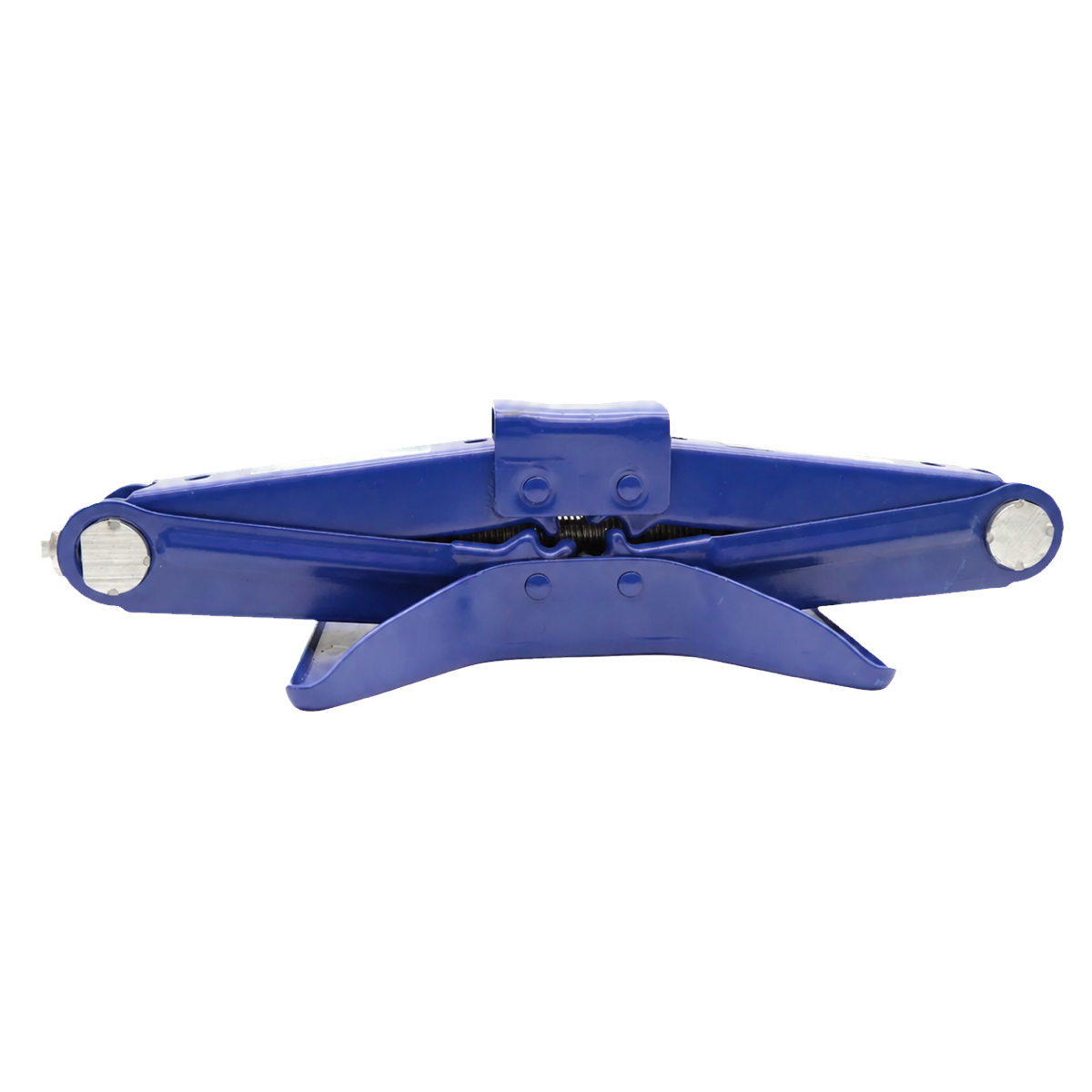
2T Low-Profile Scissor Jack
95 mm min · 380 mm max · 1,000 sets MOQ
Open product dossierQuestions to resolve before approval.
Final suitability, commercial terms and document scope follow the exact model, target market and ordered configuration.
Is maximum height the same as hydraulic lift?
Not always. Maximum height may combine the starting height, hydraulic travel and a screw or saddle adjustment. Compare the complete height architecture.
Should capacity be selected before height?
Capacity and height must be reviewed together against the target vehicle, lifting point and operating procedure.