
A test report normally covers a defined model, construction and scope. Similar appearance or a shared product family name does not automatically prove that every capacity or configuration is included.

Match the identities
Reconcile the WANPU commercial SKU, partner-factory technical model, rating label and report model before publishing a standard claim.
Check the configuration
Capacity, height, motor, controls, accessories and structural details can change the applicable test scope. Record the exact ordered configuration.
Review the destination market
Standards, declarations, language and importer obligations differ by market. The buyer brief should state where the product will be sold and how it will be used.
Control the published claim
Website, carton, manual, rating label and quotation should use the same approved wording. If mapping is incomplete, offer the file for project review without making a blanket promise.
Move from guidance to documented models.
Open the relevant product dossier for capacity, height, MOQ, packaging and model-level RFQ context.
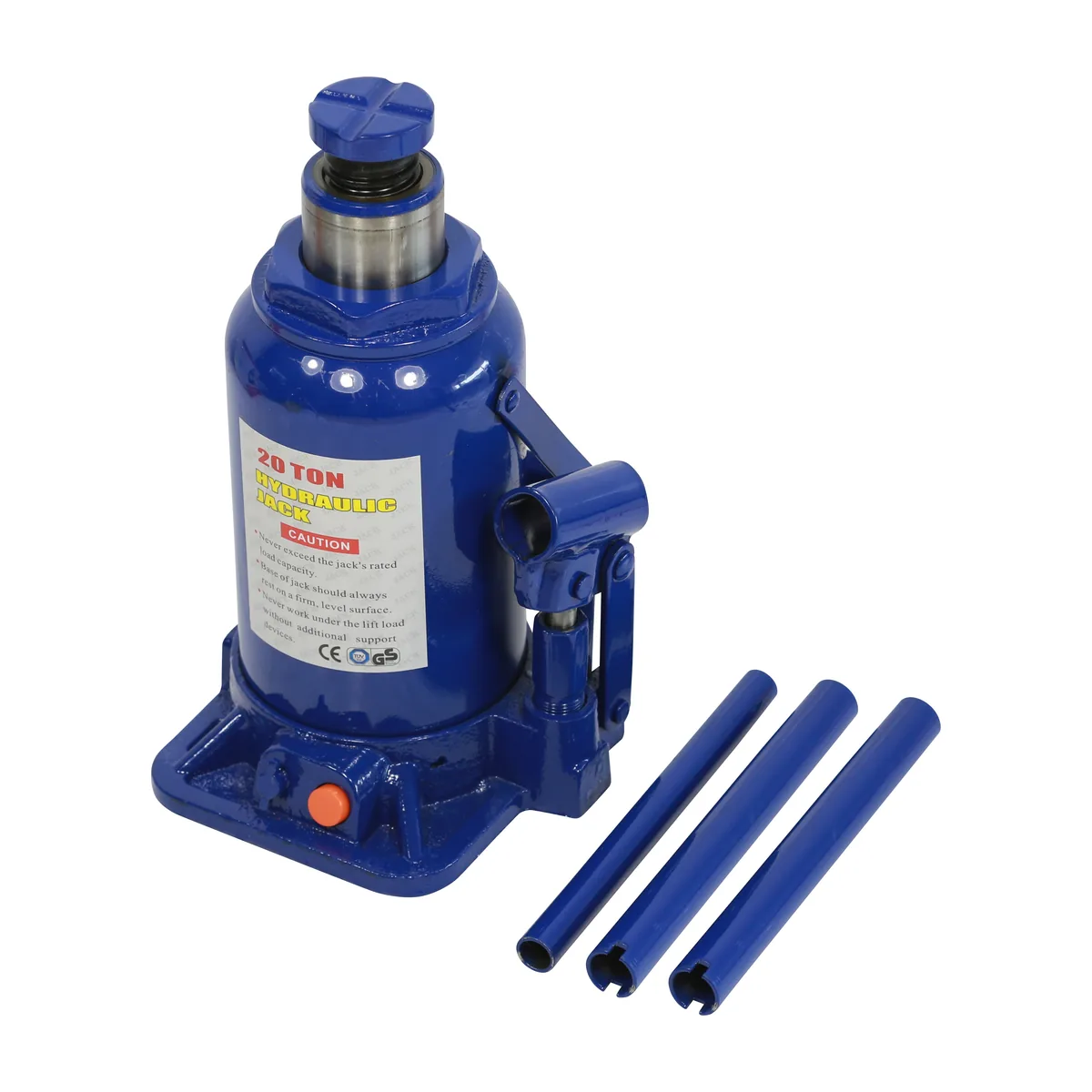
T552 European-Configuration Bottle Jack Series
158–244 mm min · 308–449 mm max · 500 sets / SKU MOQ
Open product dossier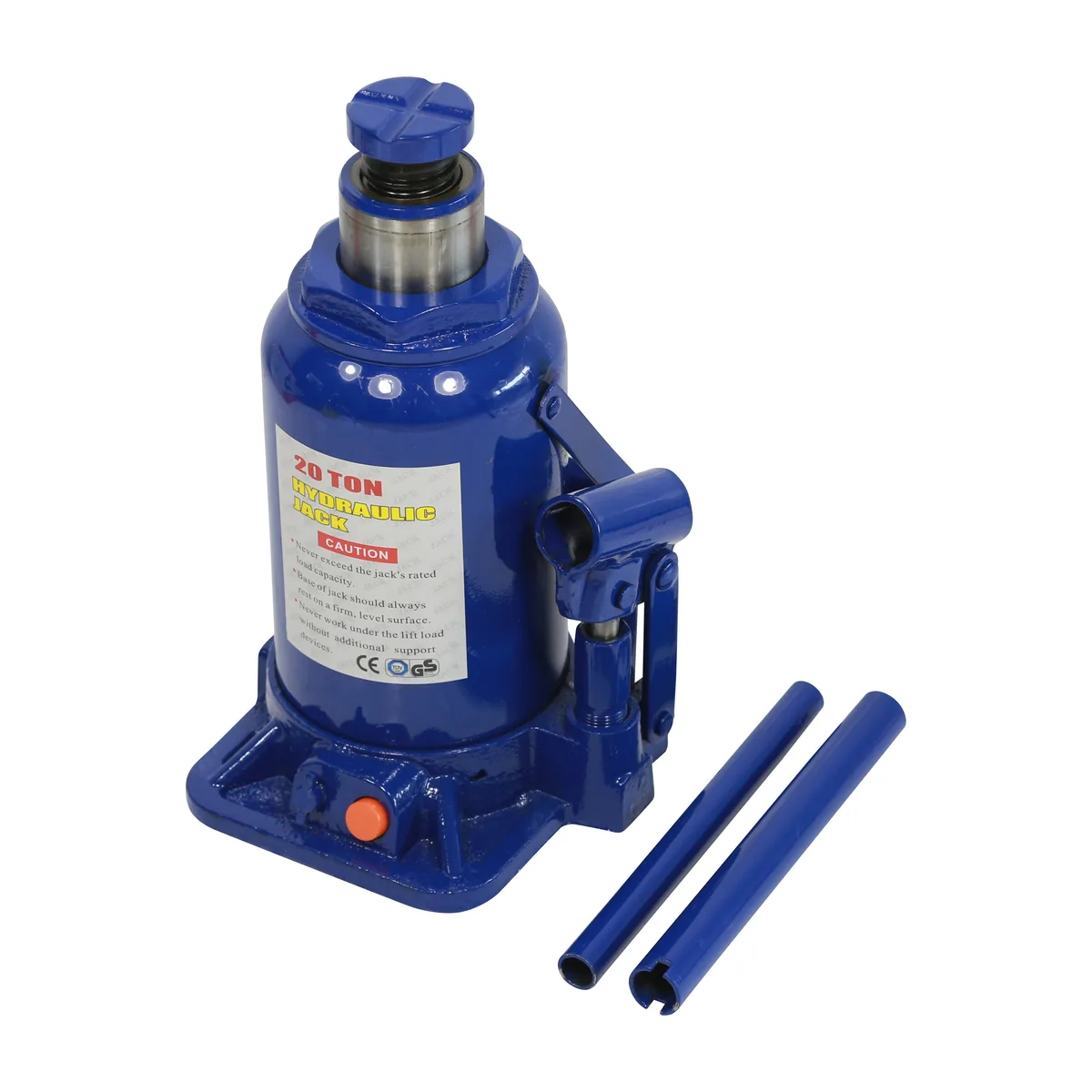
T553 Safety-Valve Bottle Jack Series
148–235 mm min · 278–445 mm max · 500 sets / SKU MOQ
Open product dossier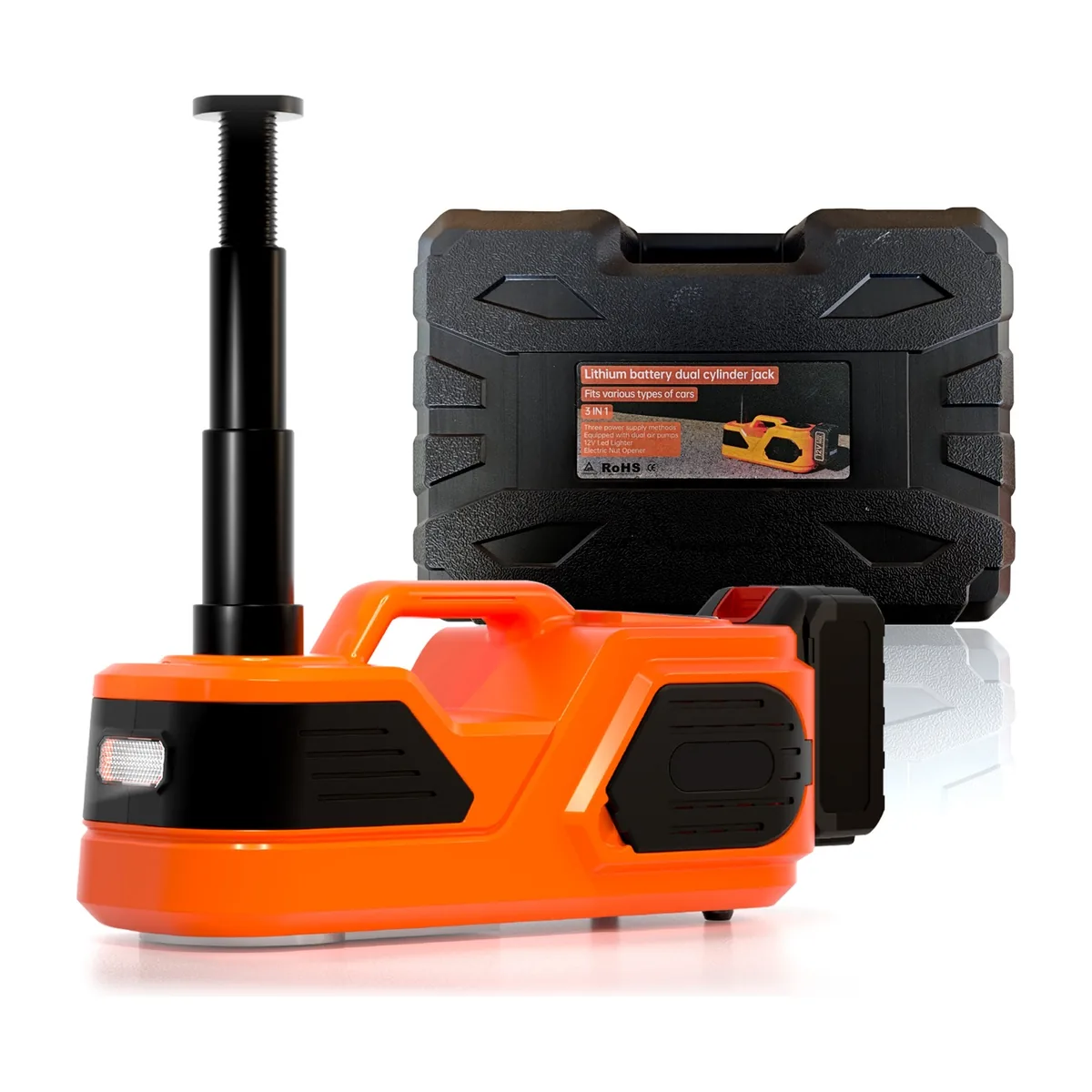
21V Dual-Cylinder Jack & Inflator
135 mm min · 360 mm max · 51 sets MOQ
Open product dossierQuestions to resolve before approval.
Final suitability, commercial terms and document scope follow the exact model, target market and ordered configuration.
Can one report cover several commercial SKUs?
Only if the report scope, tested model, construction and approved mapping support those SKUs. Similar appearance or a family name is not enough.
What should happen when model mapping is incomplete?
Do not publish a blanket claim. Request the complete technical file and confirm the exact ordered configuration before approval.