
Low-profile should describe a verified working dimension, not a visual impression. Buyers need the minimum saddle height, chassis approach, lifting range and final approved configuration.
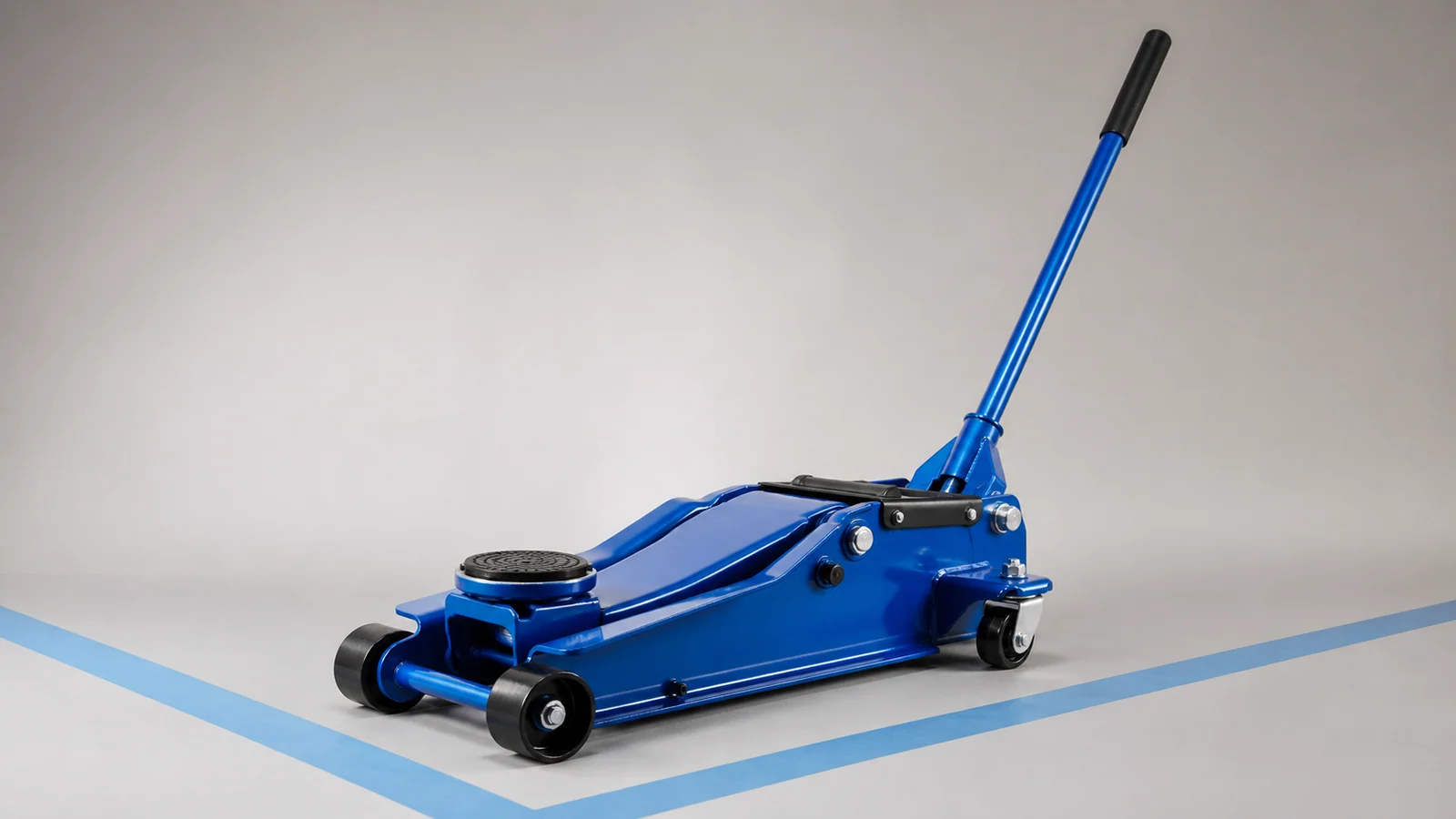
Verify the true entry height
Use the production drawing and approved sample to confirm the minimum saddle position. Decorative covers and photography should not define the claim.
Check chassis access
A low saddle does not guarantee access if the frame, wheels or lift arm contact the vehicle first. Review the complete approach geometry.
Evaluate workshop handling
Wheel format, handle length, return control, chassis weight and storage all influence repeat service use and channel positioning.
Approve the retail communication
Put the verified height, capacity, warnings, included handle and safe-use language into the artwork file before carton production.
Move from guidance to documented models.
Open the relevant product dossier for capacity, height, MOQ, packaging and model-level RFQ context.
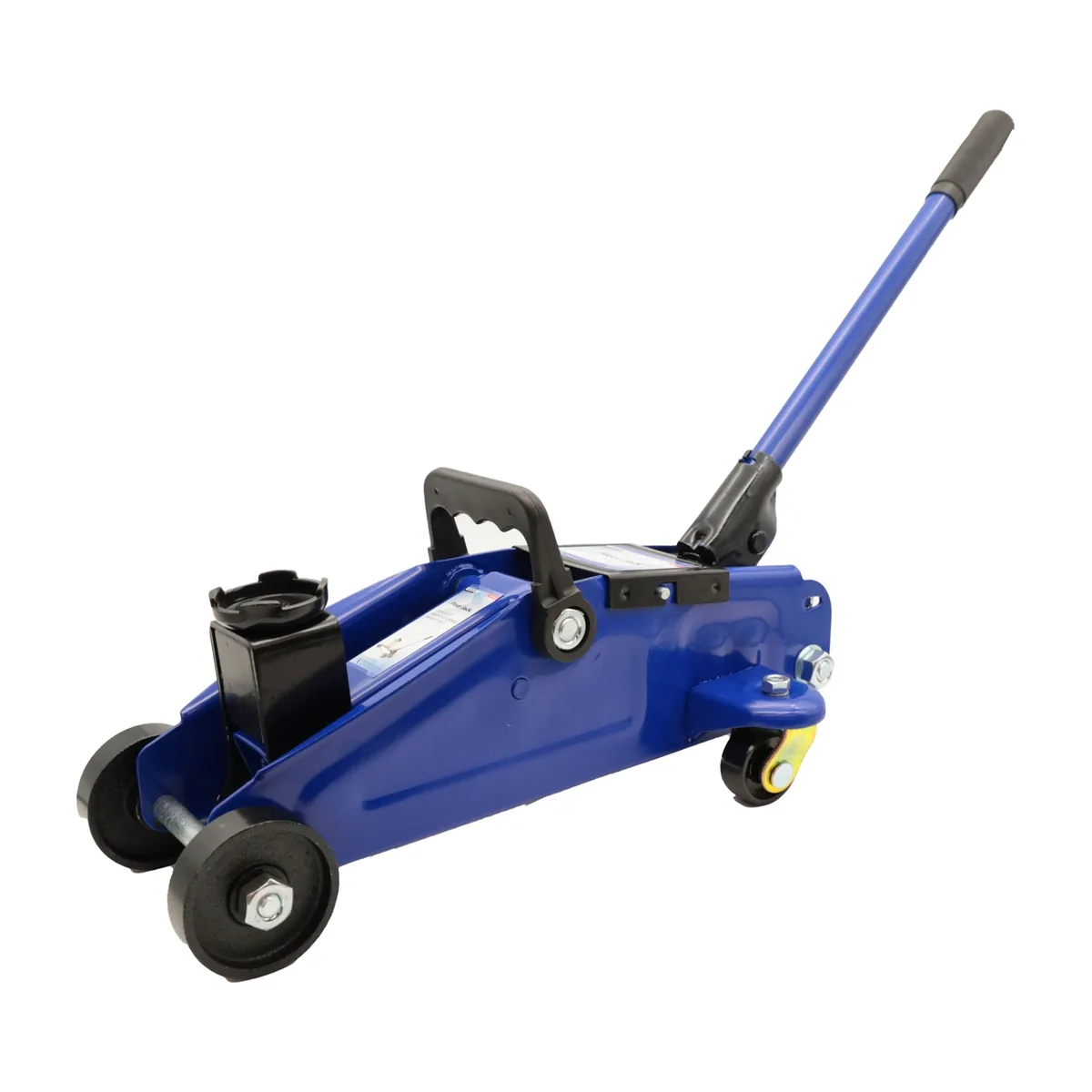
1.5T Compact Floor Jack
135 mm min · 300 mm max · 1,000 sets MOQ
Open product dossier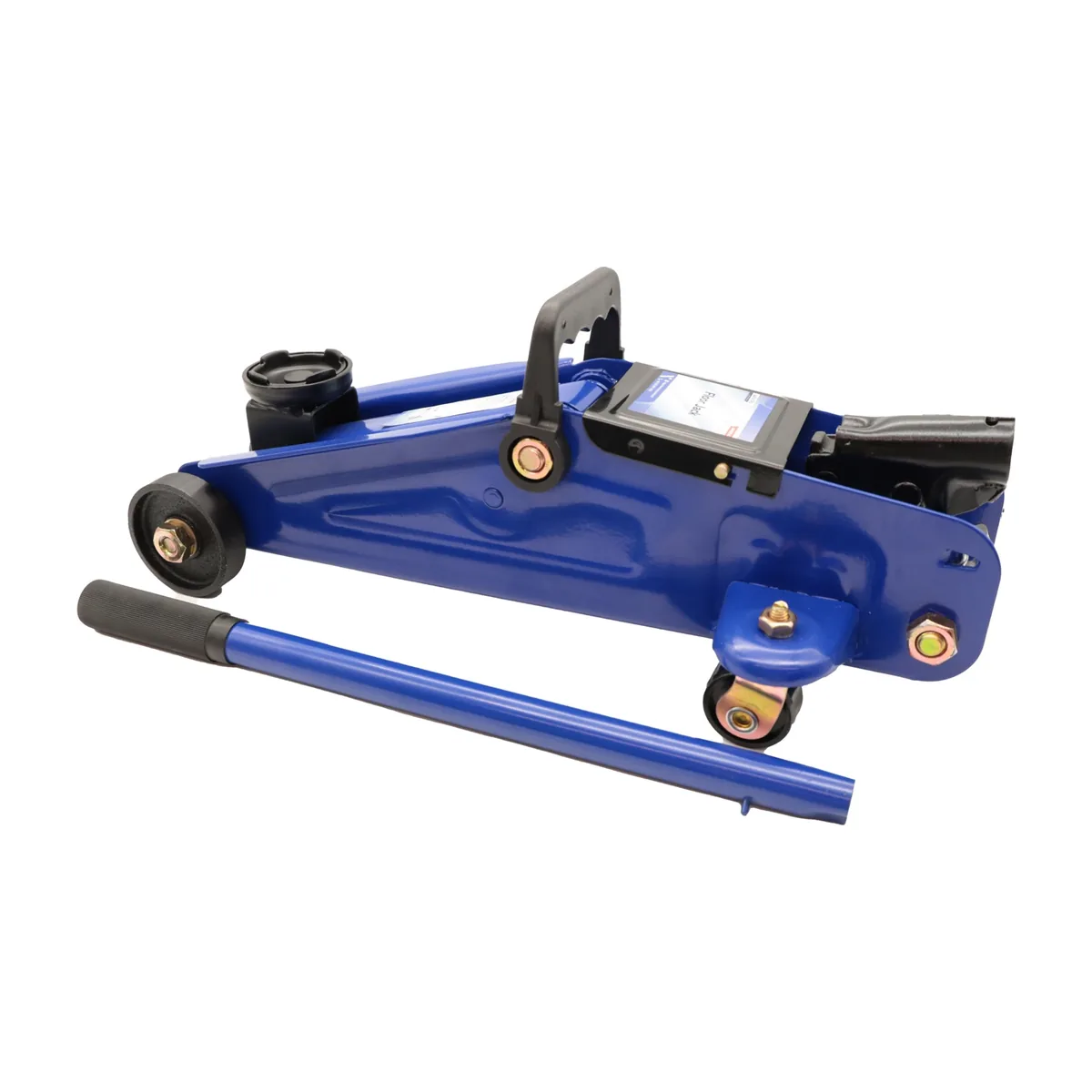
2T Lightweight Floor Jack
125 mm min · 300 mm max · 1,000 sets MOQ
Open product dossier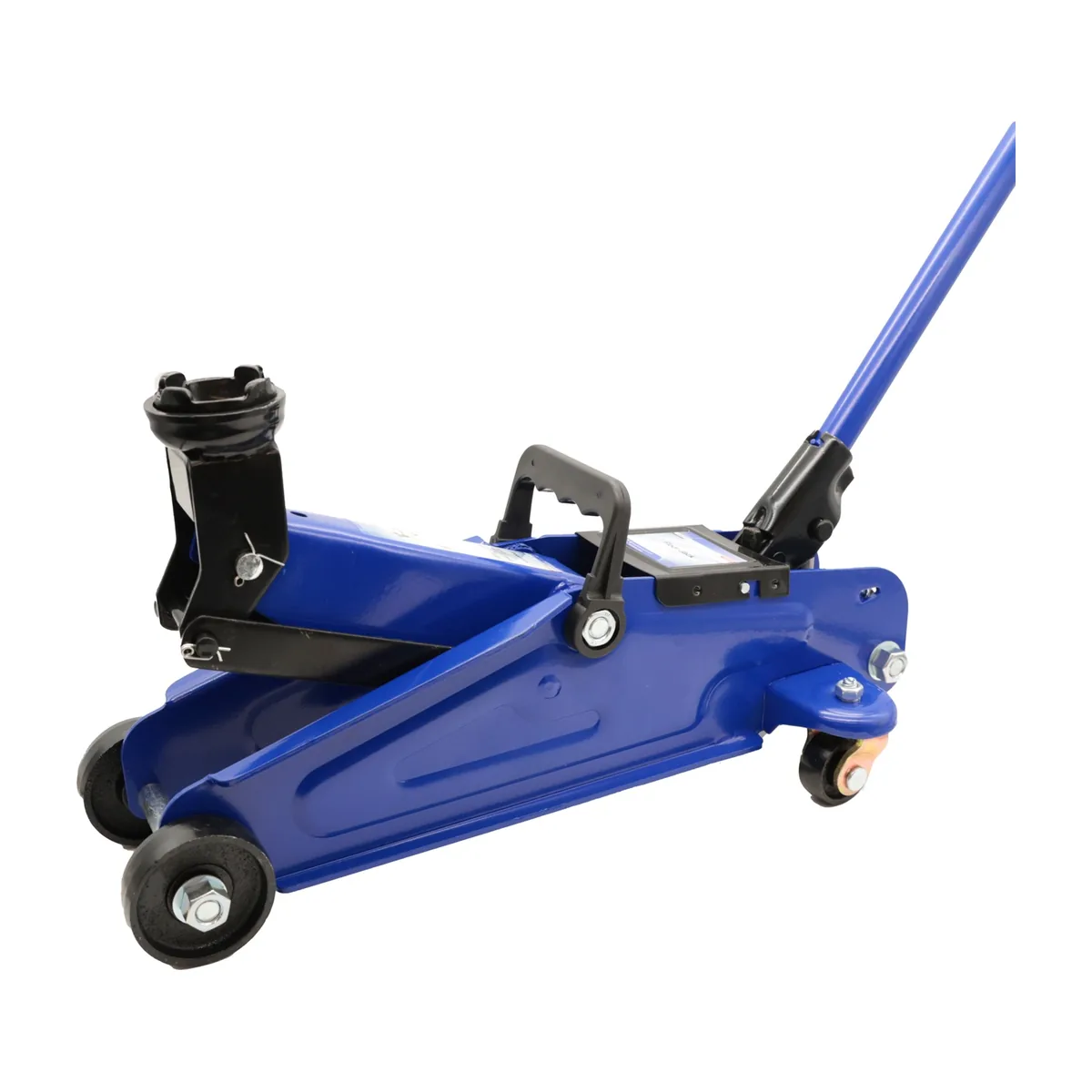
2T Heavy-Duty Floor Jack
135 mm min · 335 mm max · 1,000 sets MOQ
Open product dossierQuestions to resolve before approval.
Final suitability, commercial terms and document scope follow the exact model, target market and ordered configuration.
What qualifies as a low-profile Floor Jack?
The term should be supported by the model's measured minimum height and access geometry. There is no single marketing number suitable for every vehicle.
Should the highest lift be the main retail claim?
Not by itself. Buyers should present minimum height, maximum height and rated capacity together.