
Workshop buyers need repeatable use and a clear operating fit. The sourcing brief should translate the service bay, target vehicles and daily handling expectations into model requirements.
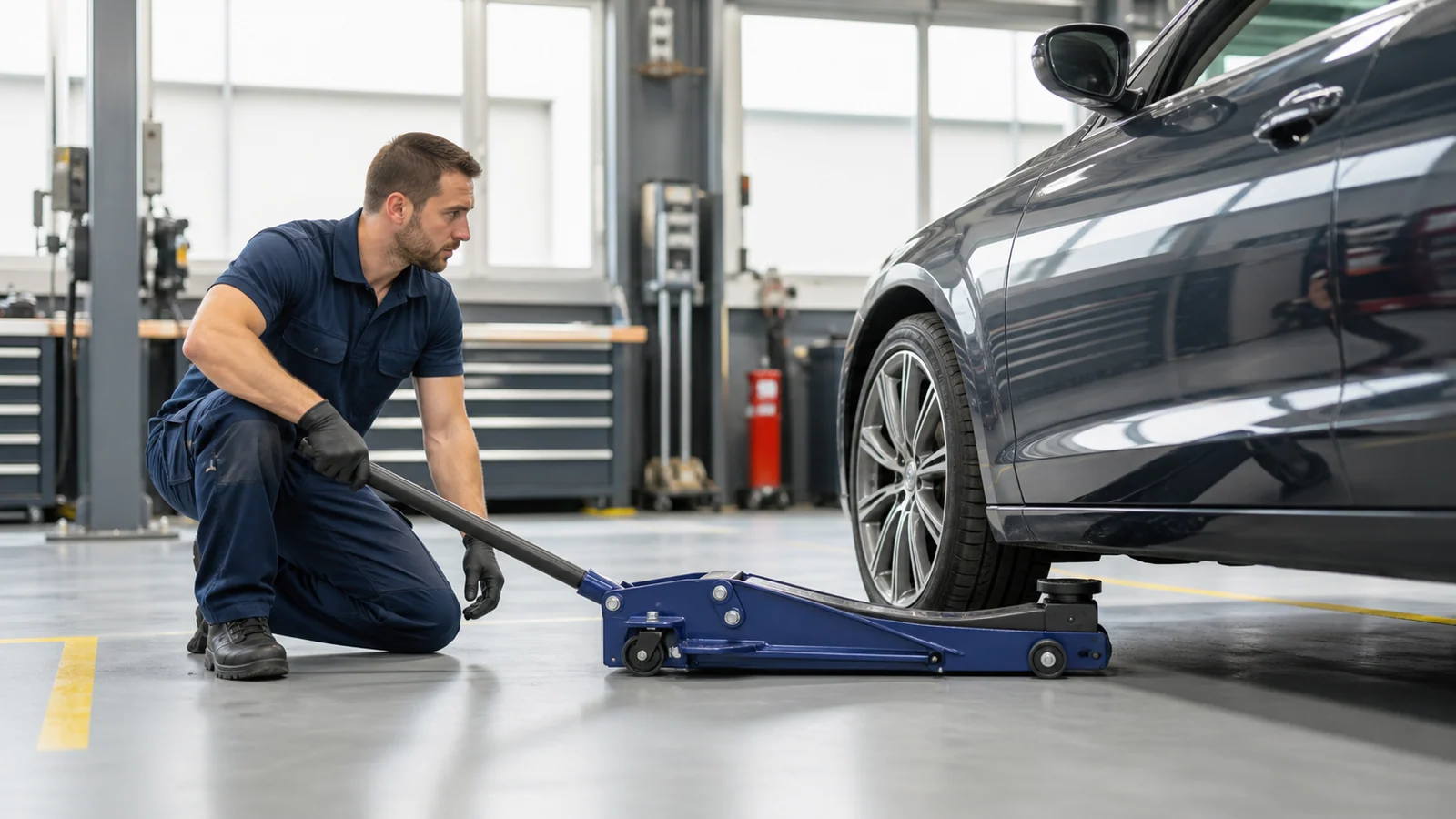
Describe the service bay
State floor condition, storage position, movement distance and expected operating frequency. These details influence chassis, wheels and handle selection.
Map the vehicle mix
List the common passenger-car, SUV or light-commercial classes and their lifting-point clearance. Avoid selecting around a single demonstration vehicle.
Review control and handling
Confirm saddle movement, handle operation, lowering control, wheel construction and product weight through a functional sample.
Define the safe work system
The Jack raises the vehicle; the workshop procedure should separately define approved support equipment, wheel control and operator instructions.
Move from guidance to documented models.
Open the relevant product dossier for capacity, height, MOQ, packaging and model-level RFQ context.
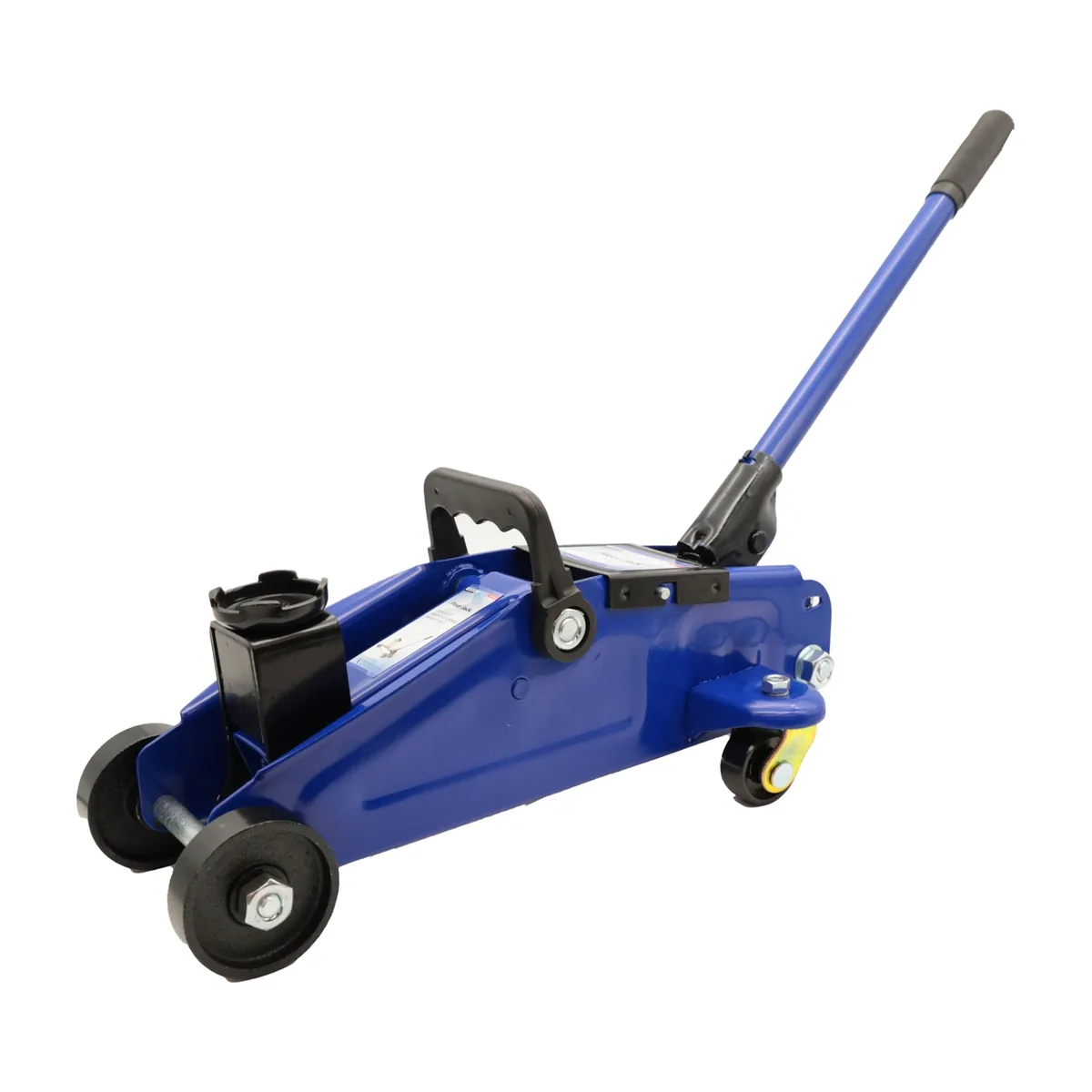
1.5T Compact Floor Jack
135 mm min · 300 mm max · 1,000 sets MOQ
Open product dossier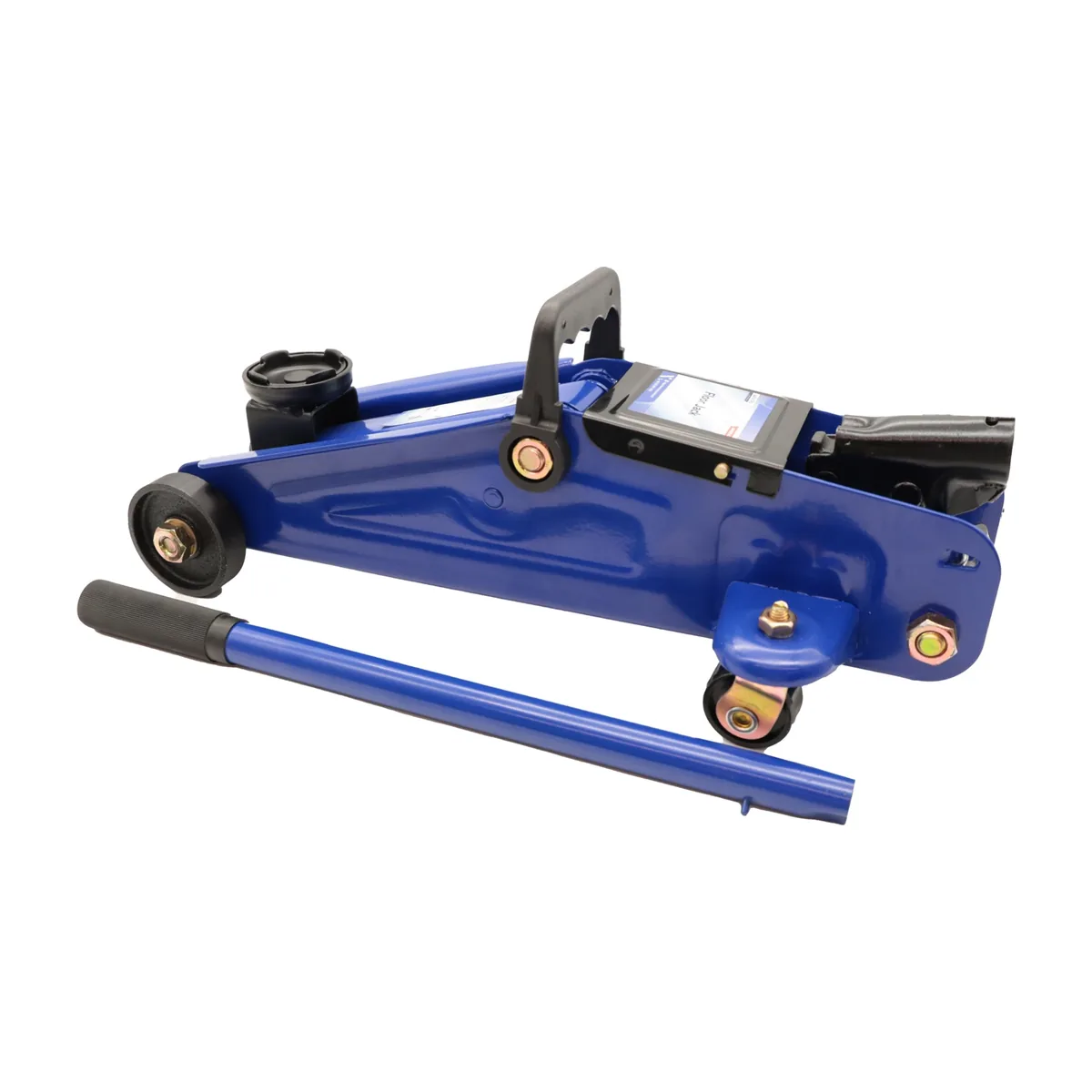
2T Lightweight Floor Jack
125 mm min · 300 mm max · 1,000 sets MOQ
Open product dossier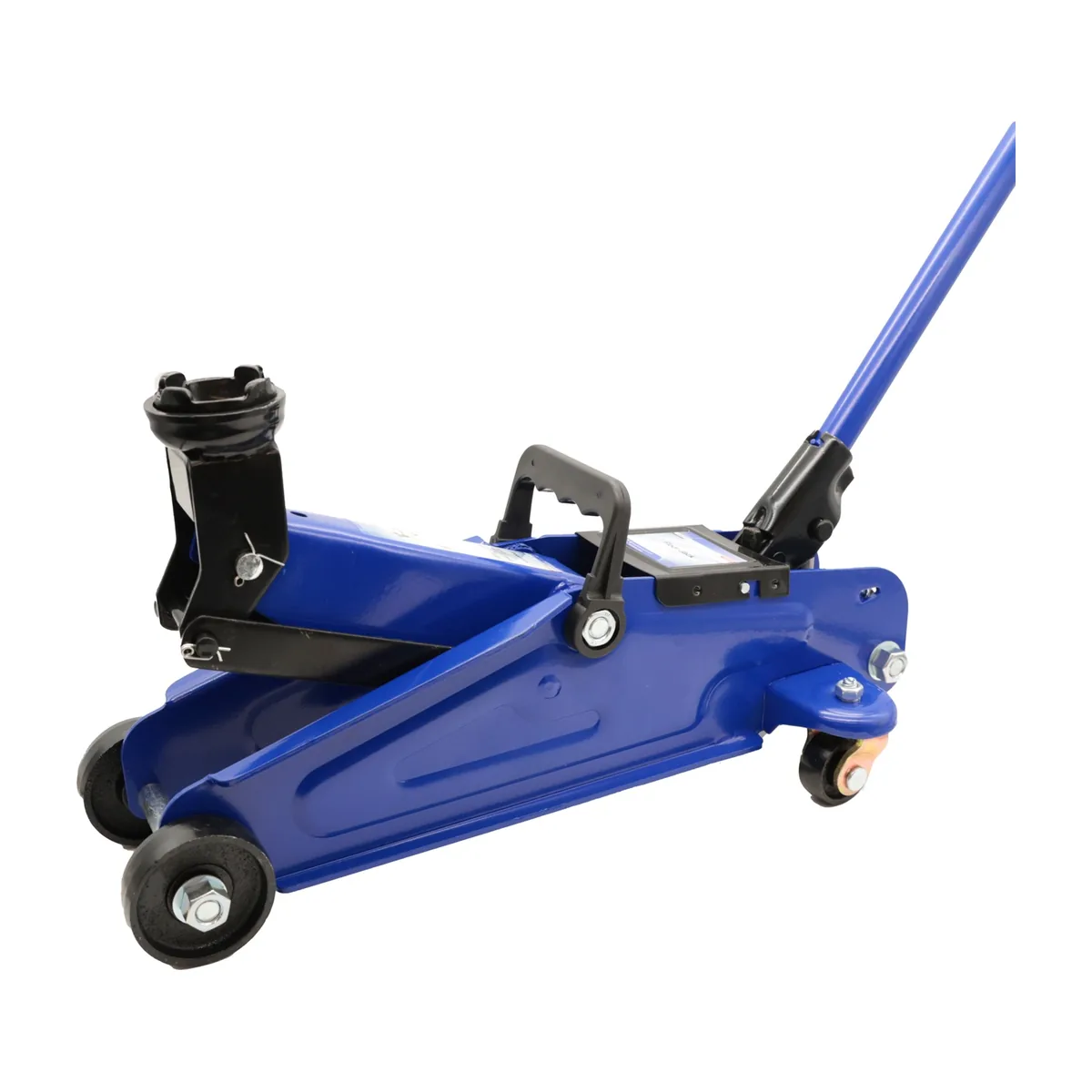
2T Heavy-Duty Floor Jack
135 mm min · 335 mm max · 1,000 sets MOQ
Open product dossierQuestions to resolve before approval.
Final suitability, commercial terms and document scope follow the exact model, target market and ordered configuration.
How many vehicle types should be checked during sample approval?
Use a representative target-vehicle matrix rather than one car. Include the lowest entry condition and the highest required lift within the intended program.
Is product weight important for workshop buyers?
Yes. It affects movement, storage and perceived robustness, but it must be considered with wheels, handle design and the service environment.