
The fastest quotation is not the one with the fewest questions. A useful RFQ connects the product requirement to the market, quantity, package and evidence the buyer actually needs.
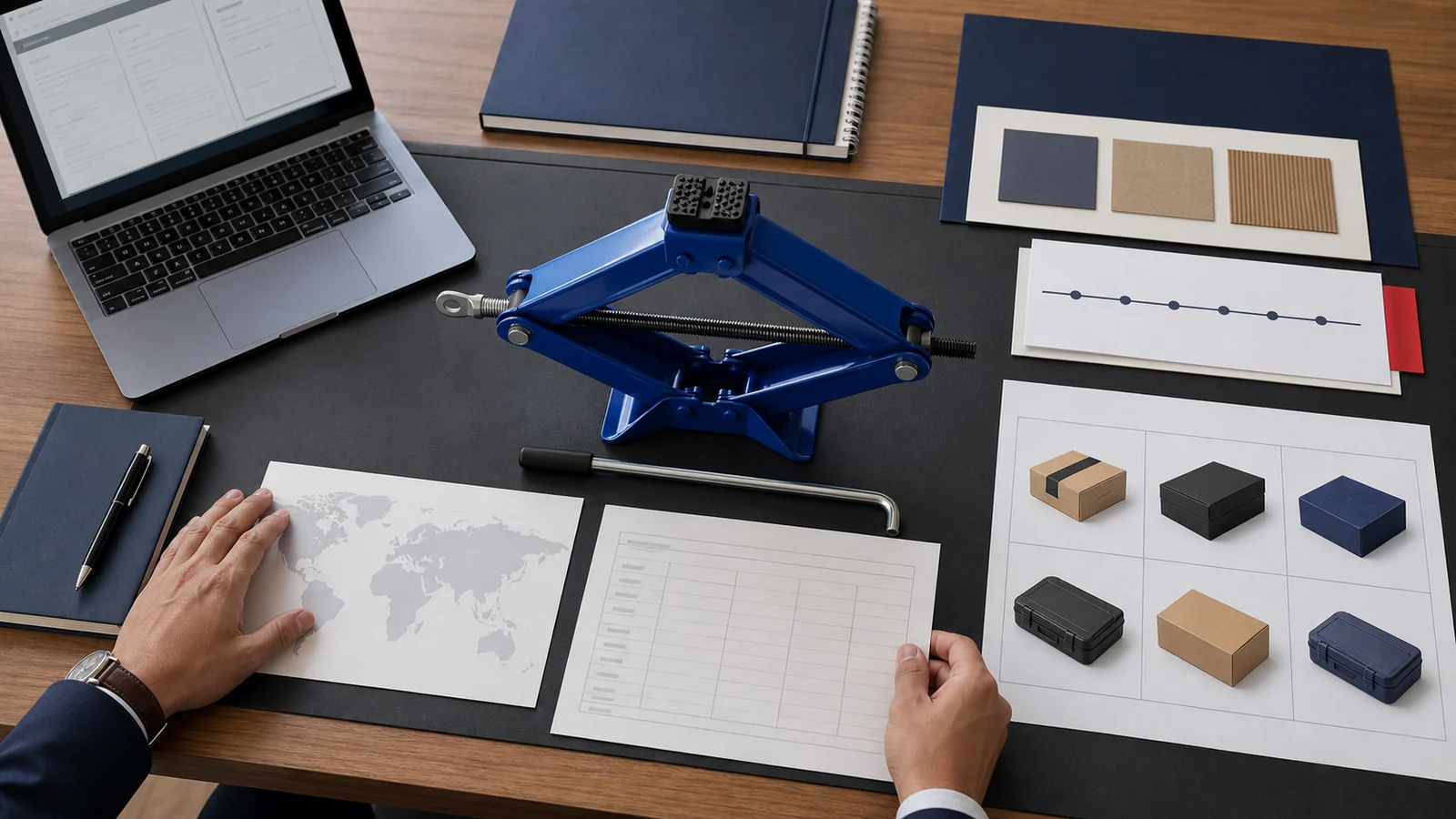
Application and vehicle
State the vehicle class, operating scenario, target capacity and required height range.
Market and buyer channel
Identify the destination country and whether the program is for import distribution, large-format retail, automotive brand supply or service use.
Quantity and forecast
Provide the launch quantity, annual forecast and desired order cadence so MOQ and packaging can be evaluated realistically.
OEM scope
List product color, logo, rating label, manual languages, case, color box, master carton and barcode needs.
Compliance file
Name required standards or documents, but allow model mapping to be verified before claims are approved.
Approval timing
Include sample deadline, launch date and decision gates for function, artwork and pre-shipment review.
Move from guidance to documented models.
Open the relevant product dossier for capacity, height, MOQ, packaging and model-level RFQ context.
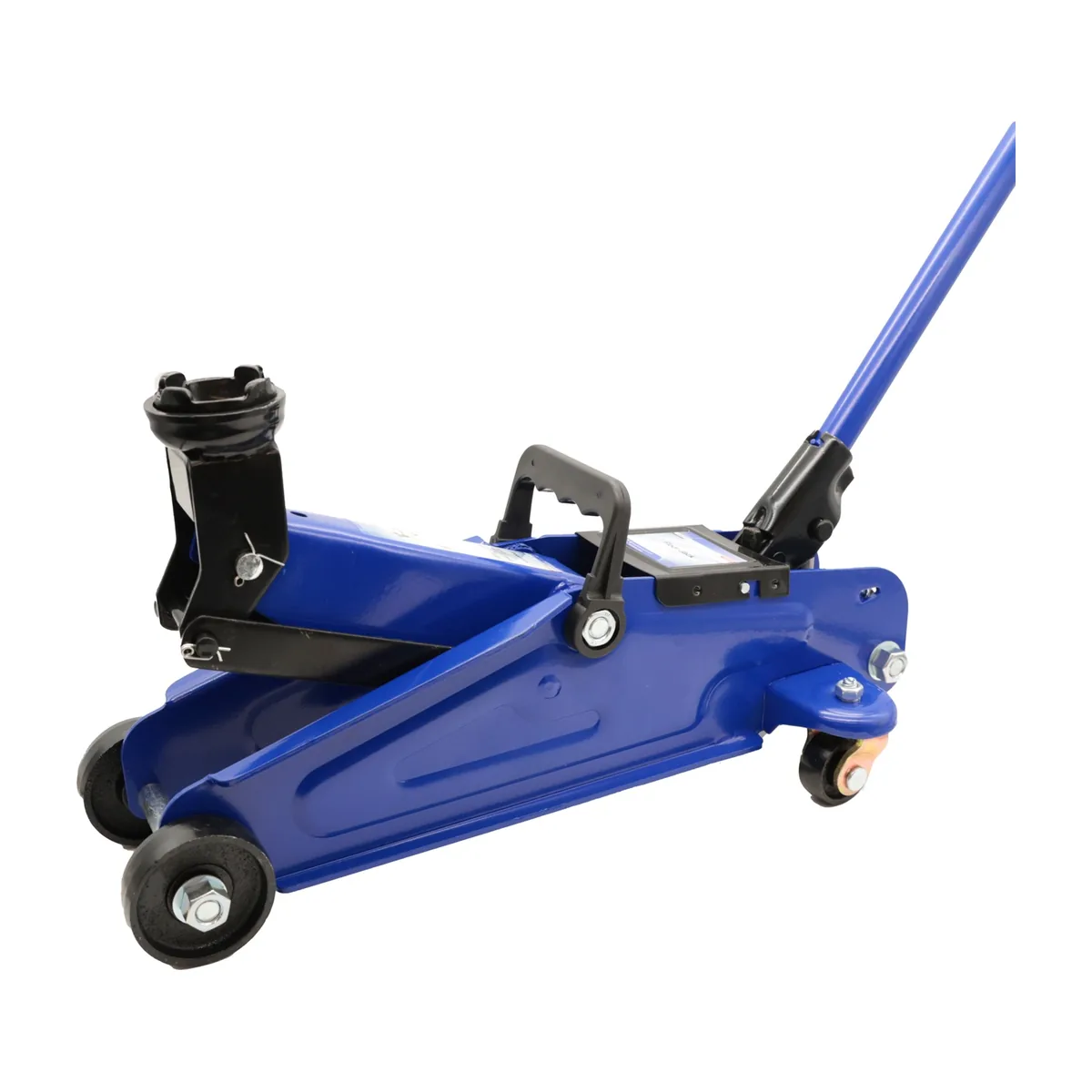
2T Heavy-Duty Floor Jack
135 mm min · 335 mm max · 1,000 sets MOQ
Open product dossier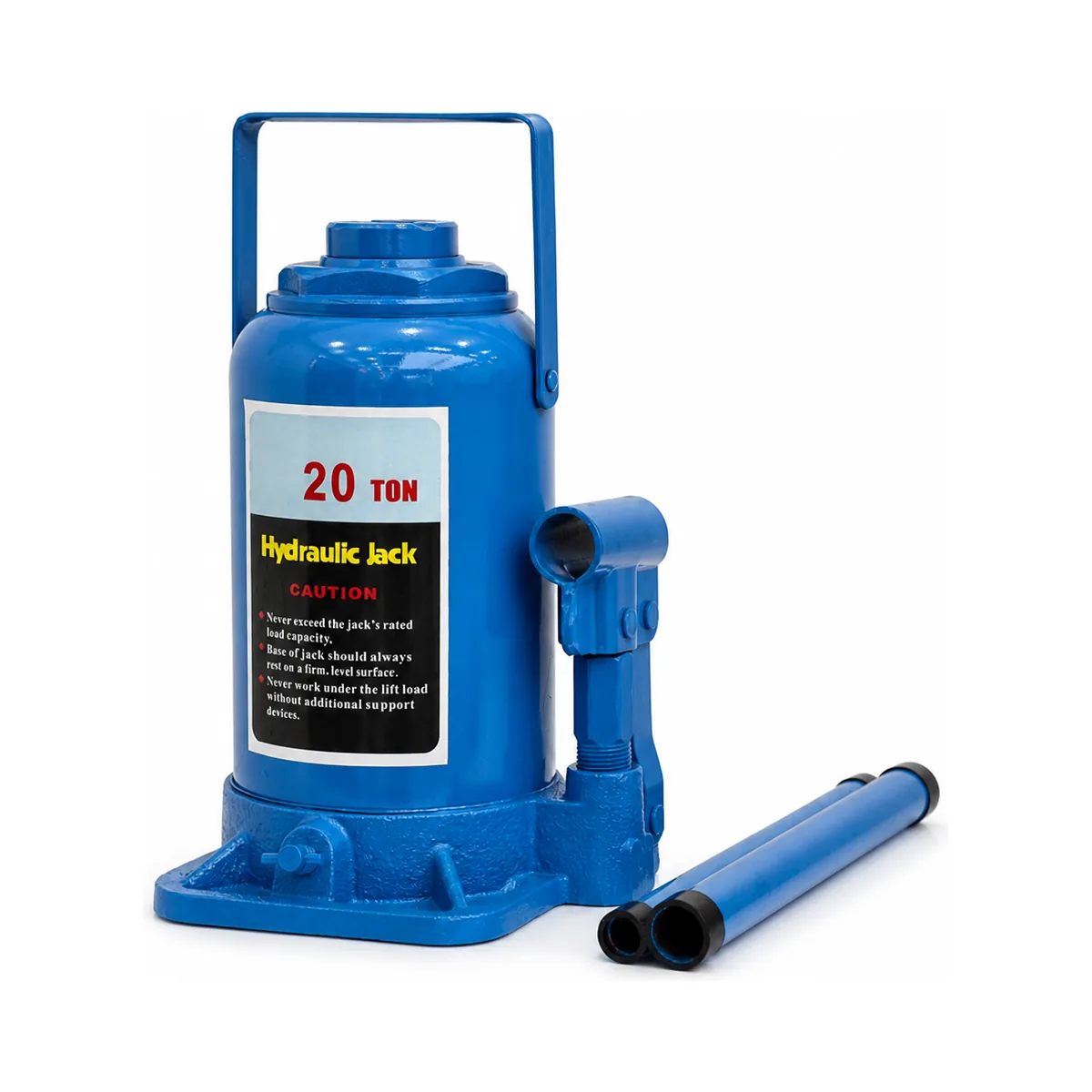
T554 Standard Bottle Jack Series
148–255 mm min · 278–445 mm max · 500 sets / SKU MOQ
Open product dossier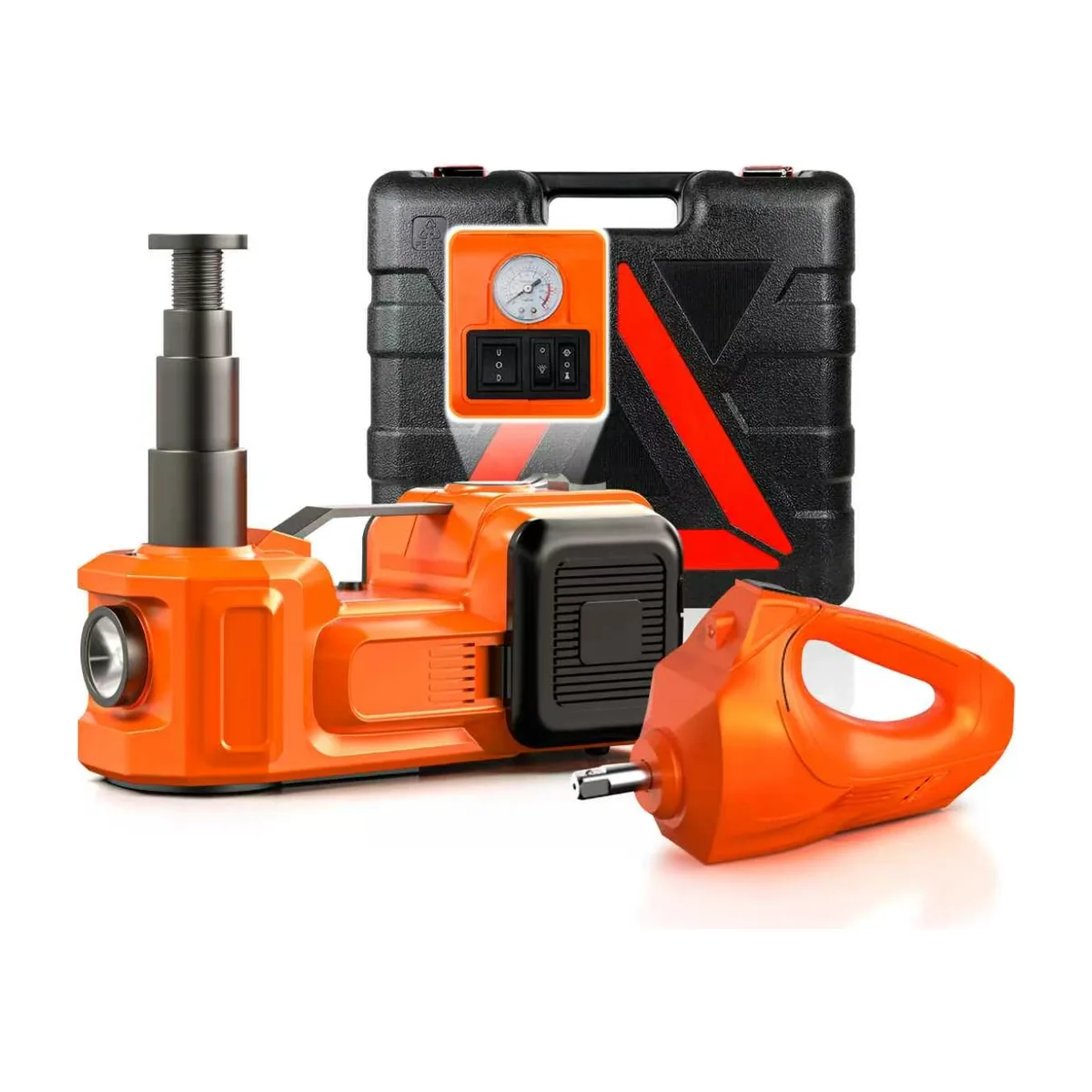
12V Jack, Inflator & Wrench Kit
135 mm min · 360 mm max · 51 sets MOQ
Open product dossierQuestions to resolve before approval.
Final suitability, commercial terms and document scope follow the exact model, target market and ordered configuration.
Can a buyer request a quotation without a finished specification?
Yes. Start with the market, product interest, application and estimated quantity. Detailed artwork and document requirements can follow during clarification.
Why include an annual forecast?
It helps evaluate MOQ, packaging, sourcing and production planning beyond the first launch order.